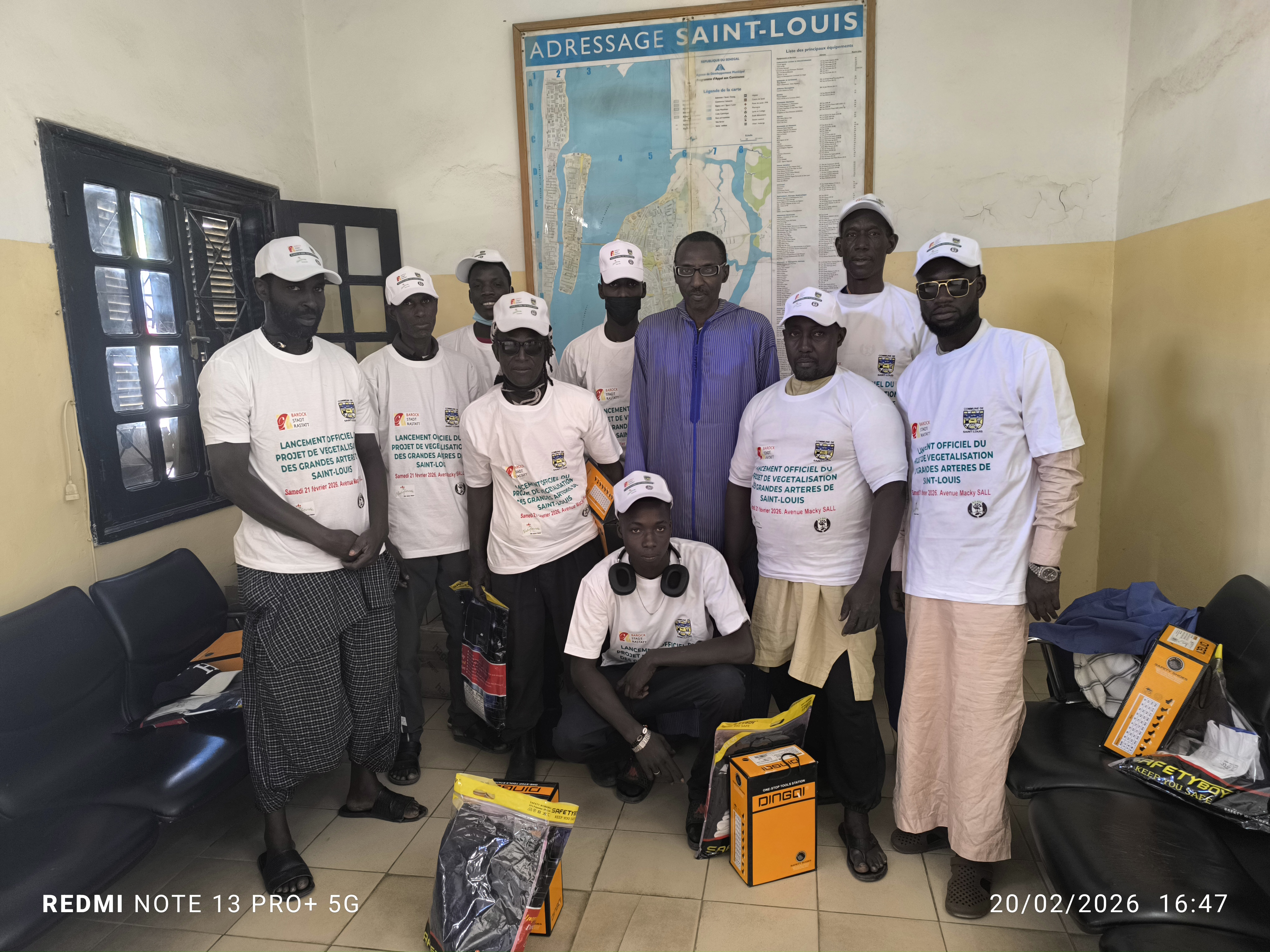
In the management of local authorities, cross-cutting approaches and inclusion have become indispensable principles. One tool has emerged as the cornerstone of local governance: the thematic consultation framework. Whether in health, urban economy, climate change, energy or culture, these platforms attempt to break down silos in public action. Yet behind their theoretical relevance lies a major structural challenge: financial viability after the withdrawal of development partners.
The thematic consultation framework functions as an inclusive platform for exchange and sharing, bringing together four key circles of stakeholders every three months: the local authority, institutional technical services, community-based organizations, and NGOs operating in the territory. This governance model fulfils essential functions: centralizing reliable sector data, enabling transparent communication on ongoing actions, and harmonizing field interventions to maximize the impact of invested resources.
Field experience reveals a contrasted reality. These frameworks show exemplary dynamism as long as logistical costs are covered by cooperation programmes. Once external funding stops, the consultation framework most often collapses into deep lethargy. This financial dependency transforms a lasting institutionalization tool into an ephemeral structure dependent on international aid.
For these platforms to survive project cycles, consultation must be seen as a core function of the local authority — not an ancillary activity "provided" by partners. The solution lies in systematically inscribing dedicated budget lines within municipal budgets. Allocating endogenous resources is the only way to guarantee sovereignty, quarterly regularity and the sustainability of these dialogue spaces.
The thematic consultation framework is an excellent thermometer of a territory's democratic maturity. Our firm supports municipalities not only in the technical structuring of these spaces but above all in the financial engineering needed to anchor them sustainably in local budgets.