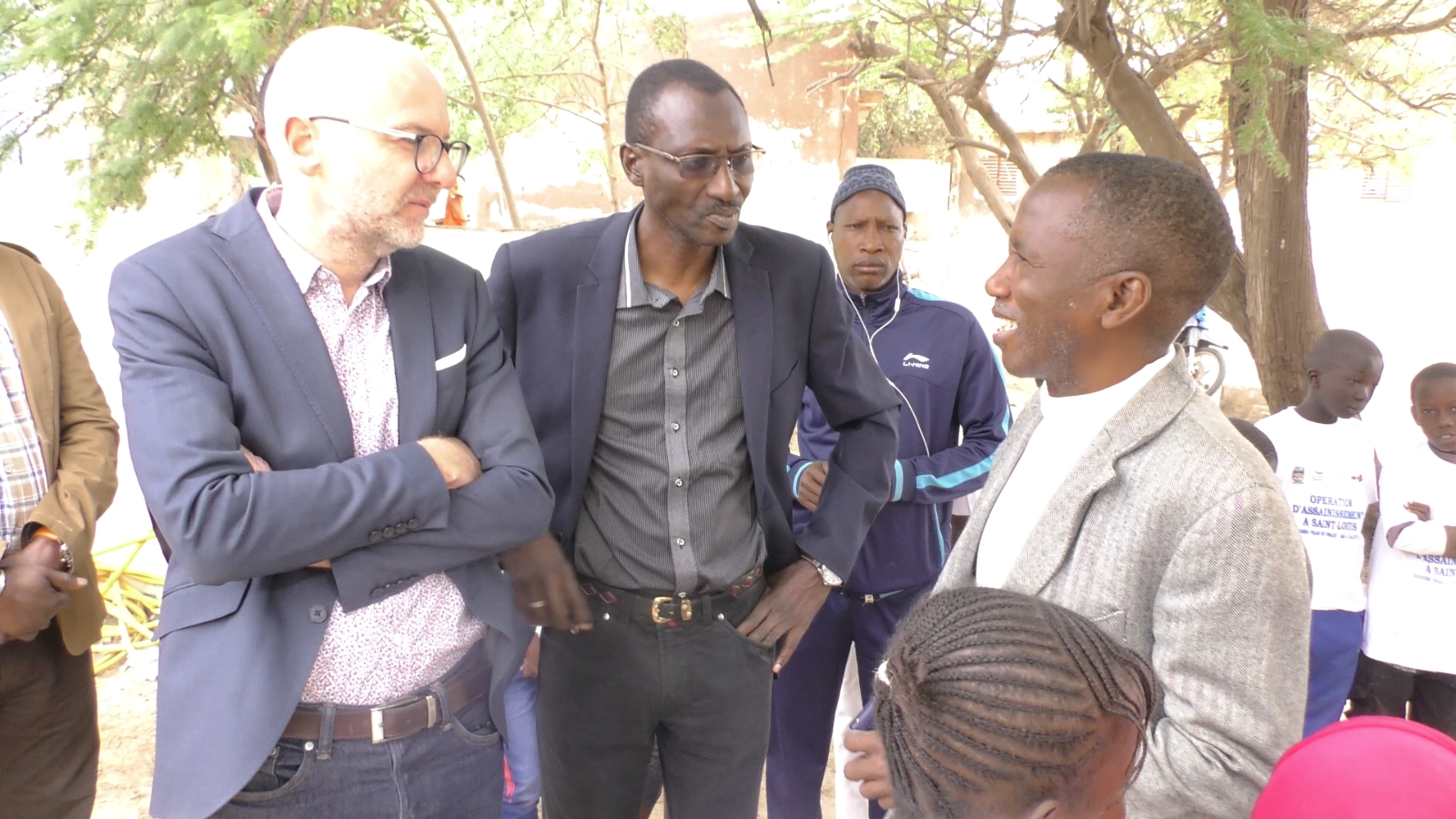
For a long time, infrastructure planning and public policy in West Africa followed a purely top-down approach. The repeated failures of projects not embraced by communities highlighted a fundamental truth: the sustainability of a territorial project is intrinsically linked to the active involvement of its population. In Saint-Louis, Senegal, citizen participation engineering is no longer theoretical but the fruit of a long practical tradition that makes it a genuine laboratory of participatory democracy.
Modern Senegalese decentralization history records Saint-Louis as the birthplace of community innovation. Senegal's very first neighborhood council was born here, in the Diamaguene district, in 1996. Thirty years later, the municipality has 22 active neighborhood councils that serve as genuine local governance tools and indispensable links between populations and the local authority.
Most of Saint-Louis's neighborhood councils now have a Neighborhood Development Plan (PDQ), a strategic document that dictates investment priorities to the municipality. Territorial engineering sometimes requires going beyond administrative boundaries: the Pikine area has a unique Zonal Development Plan (PDZ) covering five districts, enabling effective treatment of cross-cutting challenges such as flooding, sanitation and urban restructuring.
Despite the strength of this model, field diagnostics reveal managerial vulnerabilities that threaten its sustainability. When neighborhood council bureaus are not renewed on time, a generational renewal deficit and legitimacy crisis emerge, weakening their negotiating power with institutional partners.
Citizen participation engineering is the cement of local governance. For international donors, the integration of participatory mechanisms and the institutional strengthening of neighborhood councils have become indispensable performance indicators that our firm rigorously integrates into every technical assistance mission.